How to Dispose of Old Furniture Responsibly: 6 Ways to Get Rid of It
Meet The Author

Adam Nielsen
Table of COntents
- Use a Junk Hauling Service
- Donate Furniture That Is Still Usable
- Check Whether a Donation Center Offers Pickup
- Sell or Give Away Furniture
- Check Local Bulky-Waste Rules
- Break Down Furniture Only When Necessary
- Which Furniture Disposal Option Makes the Most Sense?
- Make Furniture Removal Easier on Yourself
- Frequently Asked Questions
The easiest way to handle old furniture responsibly is to use a junk hauling service that can remove the items, handle the lifting, and determine where they should go next. This is especially useful when you have heavy furniture, several pieces, or no way to transport them yourself.
Donation, resale, recycling, and local bulky-item pickup can also work depending on the condition of the furniture. The right choice comes down to whether the piece can still be used, what it is made from, and how quickly you need it gone.
1. Use a Junk Hauling Service
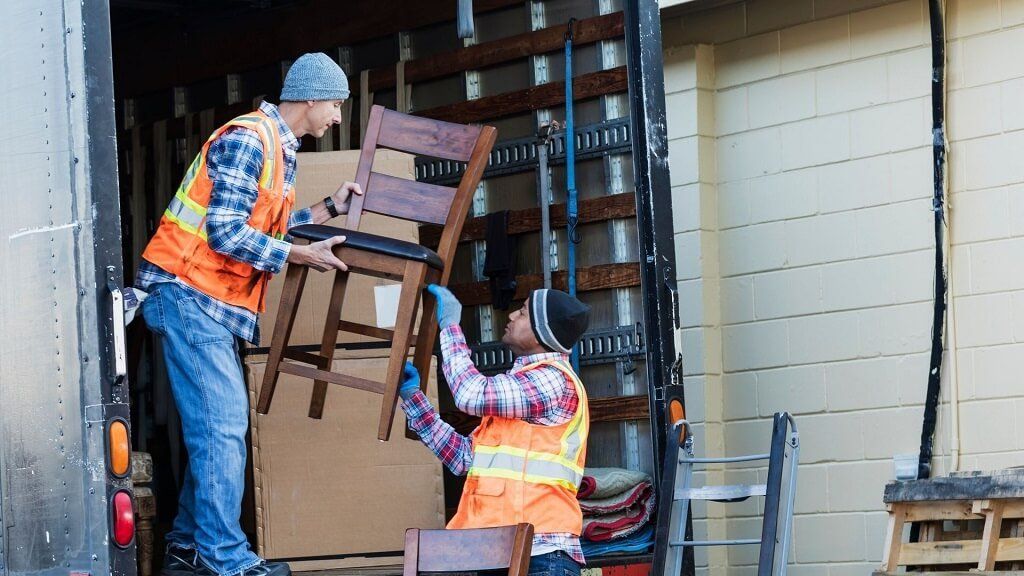
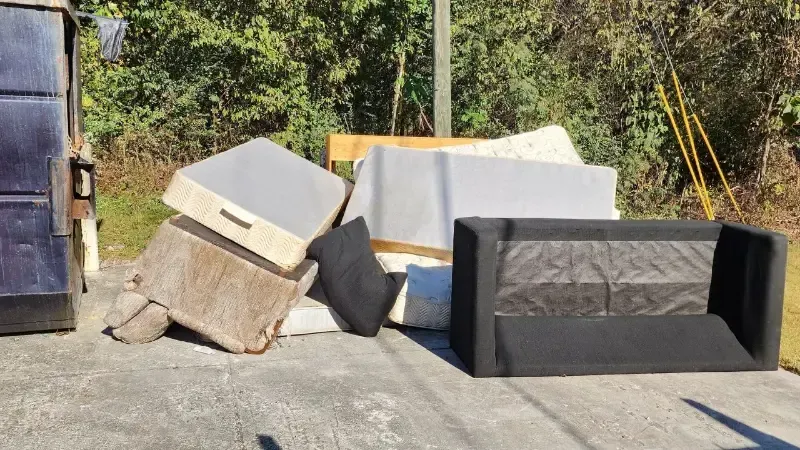
For most people, junk hauling is the simplest option for disposing old furniture without spending a day moving heavy pieces or figuring out where each item can go. A hauling crew can take care of large items such as couches, tables, dressers, chairs, and other unwanted furniture. This can be especially helpful when furniture is upstairs, in a basement, or part of a larger home cleanout.
Before scheduling, ask a few questions:
- What types of furniture can you take?
- Do you remove items from inside the home?
- What happens to reusable furniture?
- Do you handle several pieces in one visit?
- Is cleanup included after removal?
Responsible disposal means more than getting old furniture off your property. It also means considering whether an item can be reused, donated, recycled, or discarded. With your busy schedule, finding time for junk removal or property improvement projects can be tricky.
2. Donate Furniture That Is Still Usable
Furniture that is clean, safe, and in good condition may still have plenty of life left in it. Donation gives another person the chance to use it rather than sending it directly into the waste stream.
The U.S. Environmental Protection Agency places source
reduction and reuse above recycling in its waste-management hierarchy. Reusing or donating an item can prevent waste before additional processing is needed. Before loading a piece into your vehicle, contact the organization first. Donation rules can vary based on condition, size, current inventory, and available storage space.
3. Check Whether a Donation Center Offers Pickup
You may not have to move a large sofa or dining table yourself just because you want to donate it. Habitat for Humanity says its ReStores generally accept new and gently used furniture, and many locations offer pickup for large donations. Each location sets its own acceptance rules, so furniture should be approved before you count on pickup.
This option makes the most sense when the furniture is still in good, reusable condition. Stained, badly damaged, broken, or incomplete pieces may not qualify. If the donation center doesn’t offer pickup, a junk removal company can help move and haul the furniture so you do not have to handle the heavy lifting yourself.
4. Sell or Give Away Furniture
If the furniture still works but you no longer need it, another person may be willing to pick it up. Online marketplaces, neighborhood groups, and local community pages can be useful for furniture that still has practical value. You can also offer the item to friends, relatives, neighbors, or someone moving into a new place.
A few details can make the process easier:
| Include in the listing | Why it helps |
|---|---|
| Clear photos | Shows the actual condition |
| Measurements | Helps someone know whether it will fit |
| Pickup location | Avoids confusion about transportation |
| Damage or stains | Sets clear expectations |
| Pickup deadline | Keeps the process moving |
Don’t describe damaged furniture as being in better condition than it is. Clear information saves time for everyone involved.
5. Check Local Bulky-Waste Rules
Municipal pickup can work for certain furniture, but the rules may be more specific than regular trash collection.
In Knoxville, for example, furniture is considered bulky waste when it is too large for the regular garbage cart. The City allows residents to set out up to five bulky items per week and asks residents to place a bulky alert before setting the items out. The City notes that collection may take up to two business days after the alert.
Local pickup rules can differ from one city or county to another. Check what is accepted before carrying a heavy piece to the curb.
6. Break Down Furniture Only When Necessary
Some furniture cannot be donated, sold, or reused. In that case, breaking it down may make transport or disposal easier.
A wooden table, for example, may have removable legs. A bed frame can often be separated into smaller parts. However, upholstered furniture, recliners, and pieces containing springs, metal mechanisms, or glass can be harder to dismantle safely.
Before taking anything apart, consider:
- Whether the whole piece could still be donated
- Whether dismantling will create sharp edges
- Whether you have the right tools
- Whether individual materials can be recycled locally
- Whether carrying the intact item would actually be easier
Don’t spend hours dismantling furniture just to make disposal possible if a hauling service can remove it as-is.
Which Furniture Disposal Option Makes the Most Sense?
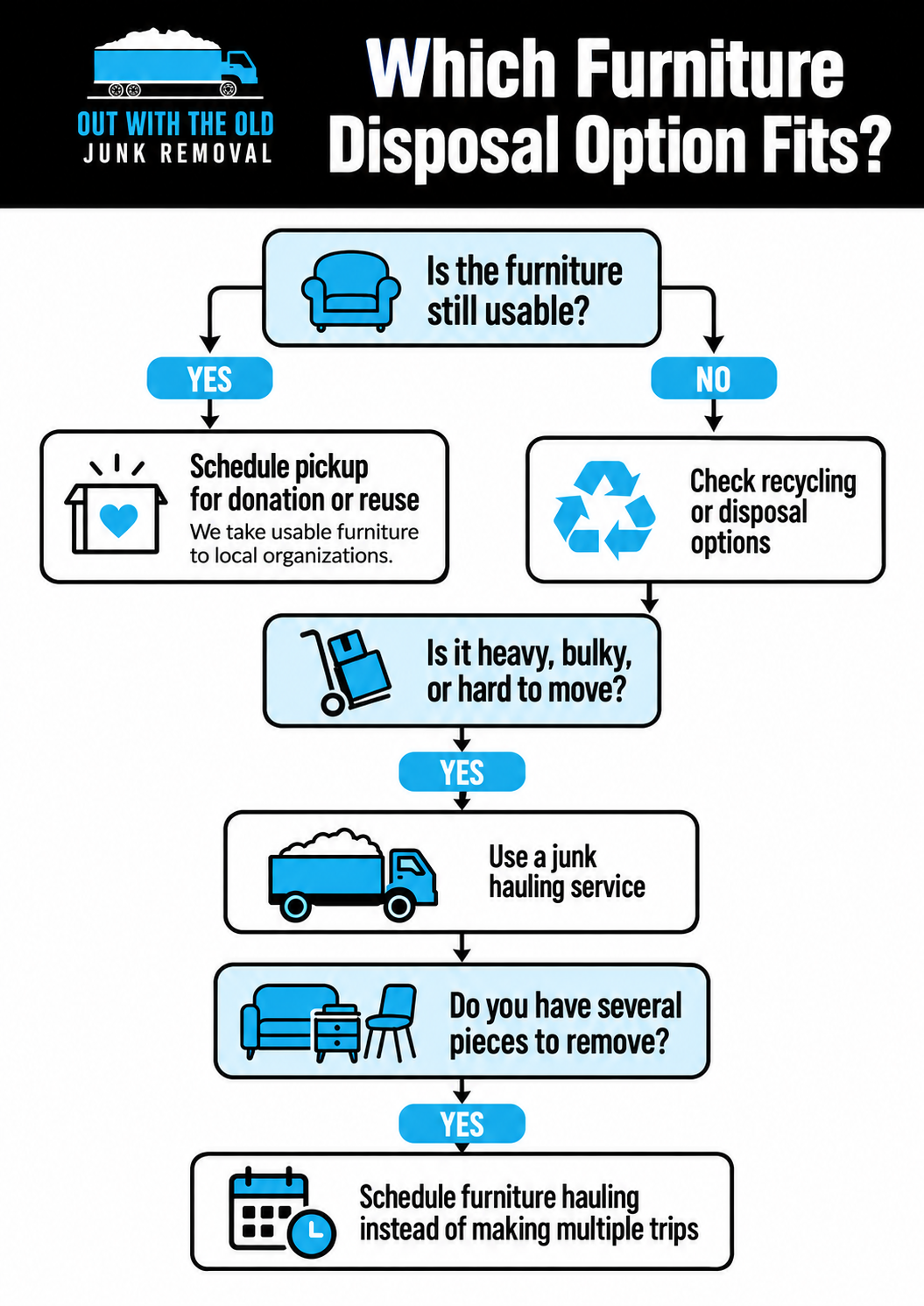
The best option for the disposal of old furniture usually depends on its condition, size, and whether it can still be reused.
| Furniture condition | Option to consider |
|---|---|
| Clean and usable | Donate, sell, or give away |
| Usable but difficult to transport | Donation pickup or junk hauling |
| Several unwanted pieces | Junk hauling |
| Accepted by local collection | Bulky-waste pickup |
| Broken beyond reuse | Hauling or approved disposal |
| Made from reusable materials | Check local recycling options |
If convenience matters most,
junk hauling usually removes the most steps from the process. You don’t have to find a vehicle, recruit someone to help lift, or make several trips for a room full of furniture. The key is choosing a hauling provider that can explain what happens after pickup, rather than assuming every item follows the same path.
Make Furniture Removal Easier on Yourself
Responsible disposal does not have to turn into another weekend project. Start by deciding whether the furniture can still be used. If it can, donation or resale may give it another life. If you have several pieces, heavy items, or furniture that cannot easily be donated, hauling can take the lifting and transportation off your list.
At
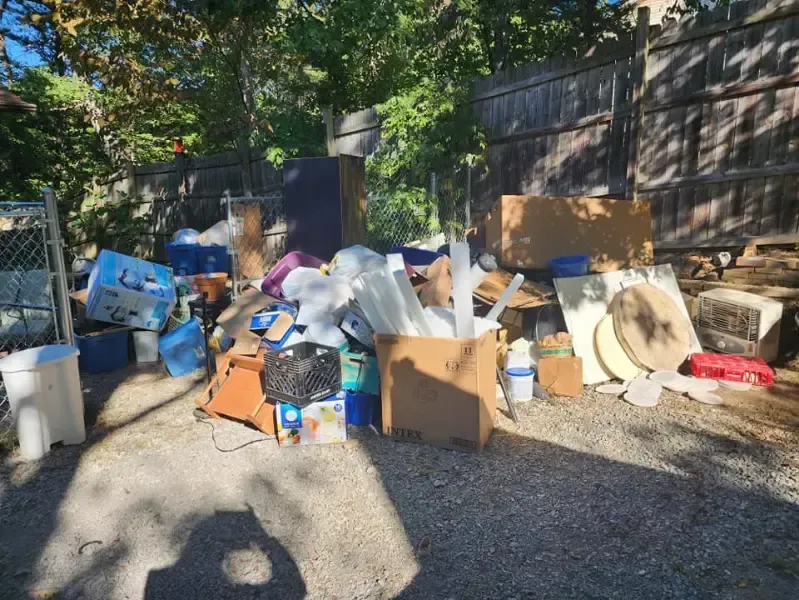
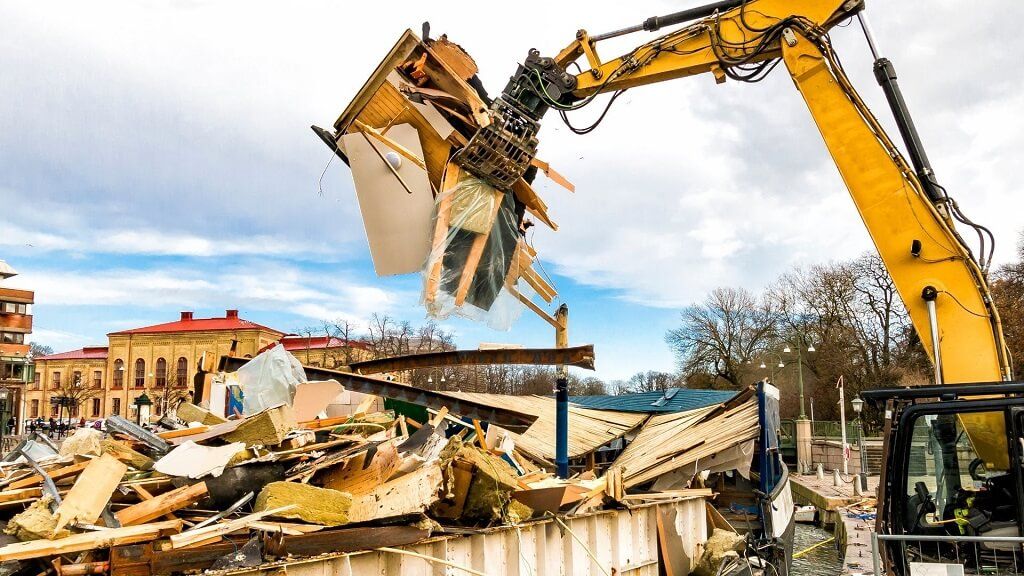
Out With The Old Junk Removal, we remove unwanted items so you can get your space back without spending your time moving and hauling everything yourself. We offer demolition services and home cleanups and cleanouts, and our work area is swept and left free of debris when we finish. Schedule an appointment today to discuss your junk removal needs.
Frequently Asked Questions
1. What is the easiest way to dispose of several pieces of old furniture?
For several large pieces, having them hauled away is usually the most straightforward option. Tell us what needs to go and where the furniture is located so we can understand the amount of work involved. At Out With The Old Junk Removal, we can look at larger piles in person to provide a clear quote before the work begins.
2. Should I donate furniture instead of throwing it away?
If it is clean, usable, and accepted by a local organization, donation is worth checking first. Reuse keeps a usable item in circulation and may prevent it from entering the waste stream.
3. What kinds of old furniture may be difficult to donate?
Donation rules vary, but some pieces may not be accepted if they are:
- Badly stained or torn
- Broken or unstable
- Missing important parts
- Heavily worn
- Not safe or practical to reuse
It is a good idea to check with the organization before moving a large piece, especially if you would need to transport it yourself.
4. Do I need to take furniture apart before having it removed?
No. You don’t need to take furniture apart, move it outside, or do any heavy lifting before we arrive. Just show us what needs to go, and we’ll handle the removal from there. If a piece needs to be taken apart to get it through a doorway, hallway, or other tight space, we can take care of that as part of the job.
5. How can I arrange furniture removal without spending all day on it?
Tell us how many pieces you have, where they are located, and whether stairs or tight access are involved. A short conversation gives us enough information to talk through the next step and arrange a time that works for the job.